
Europe’s Last Wild River: Why the Vjosa’s Free Flow Matters
An ecological journey through the Vjosa Wild River National Park. Discover why a river without dams is a global rarity, and how local, low-impact travel keeps the valley alive.
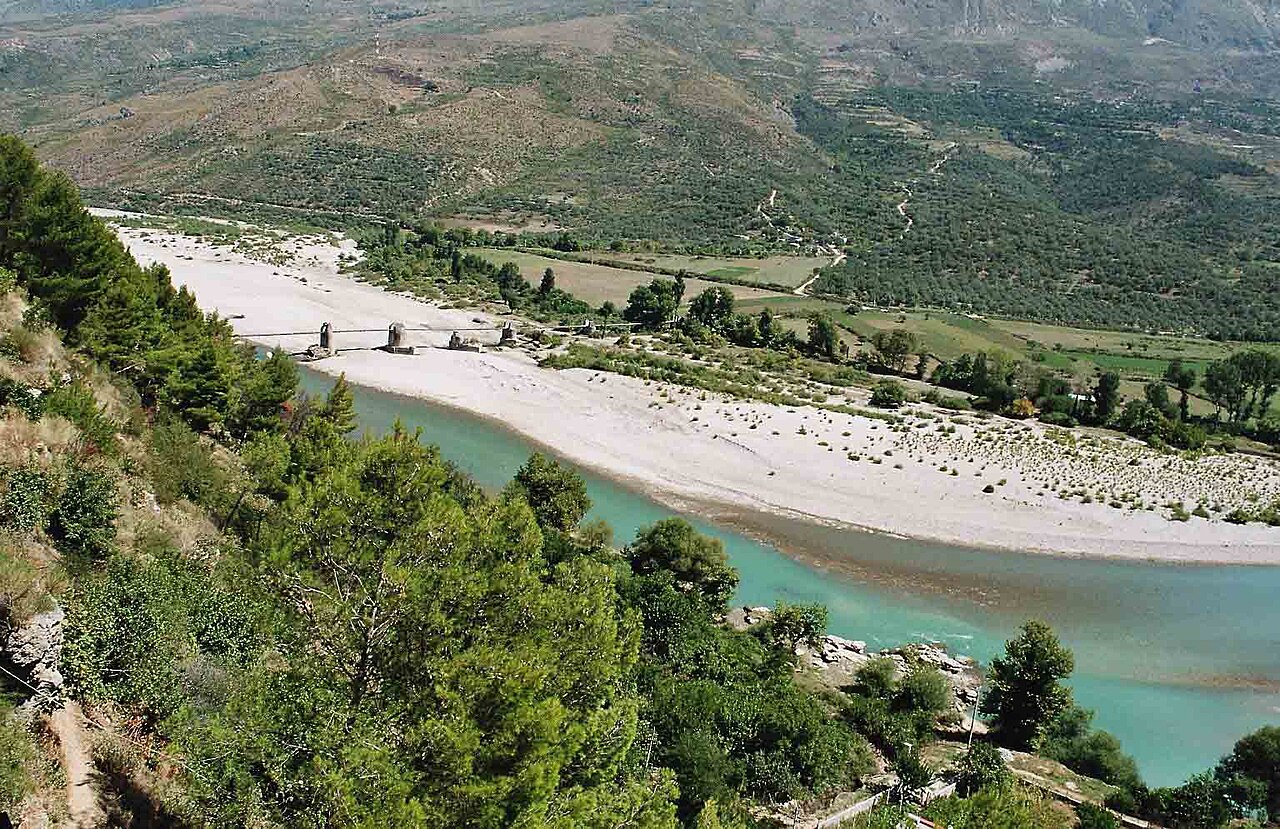
Across the European continent, rivers have been straightened, channeled, and interrupted. Over a million artificial barriers, from small weirs to massive concrete dams, segment Europe's waterways, disrupting fish migration, sediment transport, and river ecosystems. Only a handful of truly wild, free-flowing rivers remain.
The Vjosa is the crown jewel of these survivors. Running 270 kilometers from its headwaters in the Pindus mountains of Greece (where it is known as the Aoös) to its estuary on the Adriatic Sea in Albania, the Vjosa flows entirely uninterrupted. It is a living laboratory of how European rivers functioned for thousands of years.
The Battle for the Free Flow
For over a decade, the Vjosa was threatened by plans for dozens of hydropower dams. These projects would have drowned canyons, stopped the migration of endangered fish, and flooded agricultural valleys. But a unique coalition of local residents, scientists, international conservationists, and outdoor brands fought back.
In March 2023, their efforts culminated in a historic milestone: the Albanian government officially declared the Vjosa a Wild River National Park. This designation protected not just the main river channel, but also its key tributaries, covering over 12,000 hectares of water and land. It is the first park of its kind in Europe, establishing a template for river preservation worldwide.
"Standing on the gravel shores of the Vjosa, you can hear the river breathing. The water changes color from turquoise to slate gray; the gravel bars move with the winter floods; and the gravel islands appear and disappear. This is a river that still writes its own geography."
The Braided Channel Dynamic
If you look at the Vjosa from the hills above Përmet, you will see its defining ecological feature: braided channels. Rather than flowing in a single deep trough, the river splits into dozens of shallow, interconnected channels that wind around gravel islands. This creates a highly complex network of habitats:
- Gravel Bars: Vital nesting grounds for birds like the little tern and the stone-curlew, which rely on the bare stones to camouflage their eggs.
- Side Pools: Warm, slow-moving shallows that act as nurseries for young fish and breeding pools for amphibians.
- Riparian Forests: Stands of willow and alder that bind the banks, filter runoff, and provide shade that keeps the water cool.
| Species Type | Key Vjosa Species | Conservation Status |
|---|---|---|
| Migratory Fish | Ohrid Trout, European Eel, Adriatic Sturgeon | Critically Endangered. The free flow allows them to travel between the sea and spawning beds upriver. |
| Birds | Egyptian Vulture, Lesser Kestrel, Stone-Curlew | Endangered. The valley is a major flyway and foraging corridor. |
| Mammals | Balkan Lynx, Otter (Lutra lutra) | Lynx is Critically Endangered; otters thrive along the wild, undisturbed banks. |
Ecotourism as a Conservation Tool
Protecting the river is not just about keeping concrete away; it is about providing a viable future for the people who live along its banks. If the valley remains poor, pressure to dam the river for short-term energy gains will inevitably return. Ecotourism offers a different path.
When you book a rafting trip, stay in a village guesthouse, or hire a local driver, you are directly investing in the river's wild future. You are sending a clear message: the Vjosa is worth more flowing free than behind concrete walls. We invite you to come, feel its power, and join us in keeping it wild.